
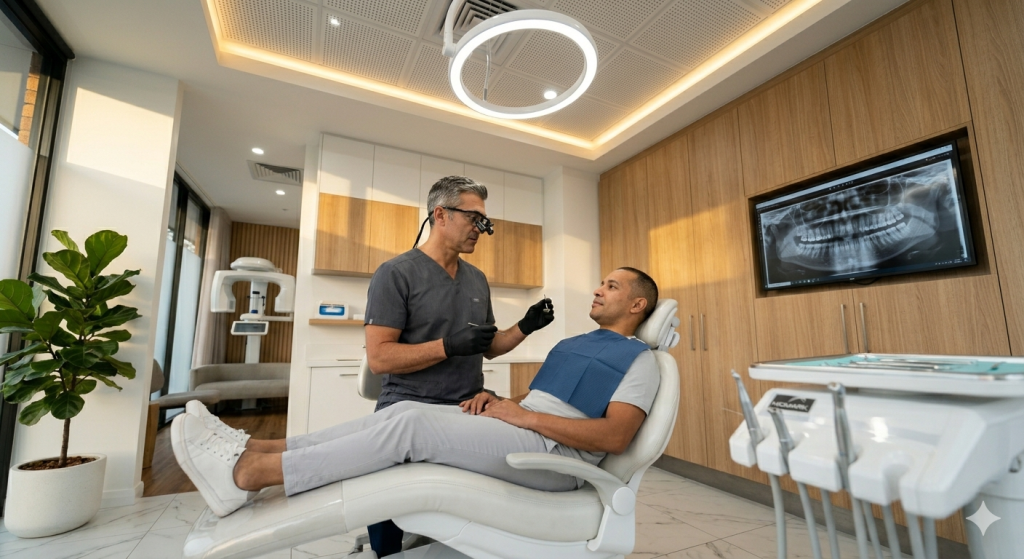
If you need a reliable crown the same day in Louisville, this article tells you what to expect and why same-day crowns often make sense. Same-day crowns use in-office digital scanning and milling so patients leave with a finished restoration in one visit, saving time and reducing temporary-crown hassles.
They explain how the technology works, who qualifies, and how same-day options compare to traditional lab-made crowns. You’ll also find what the patient experience looks like at a Louisville dental practice, practical care tips for your new crown, and next steps for scheduling a consultation.
Understanding Same-Day Crowns
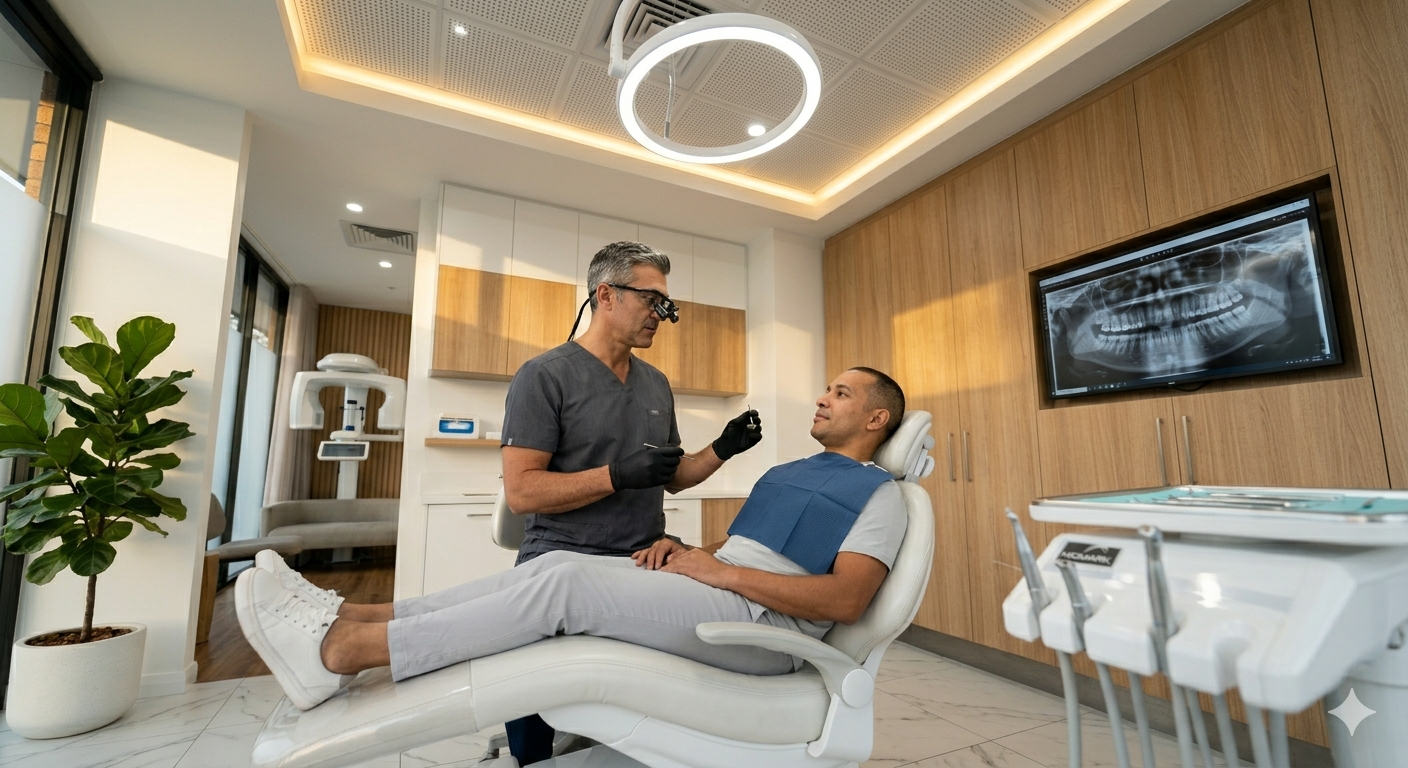
Same-day crowns let patients receive a finished, permanent crown in a single visit using digital scanning and in-office milling. The process reduces temporary crowns, fewer appointments, and faster restoration of chewing function.
What Are Same-Day Crowns?
Same-day crowns are full-coverage restorations fabricated and placed during one dental appointment. Dentists use a digital intraoral scanner to capture precise 3D images of the prepared tooth instead of traditional putty impressions. That digital model guides chairside CAD/CAM software to design the crown to fit margins, occlusion, and adjacent contacts.
The crown material is typically high-strength feldspathic or lithium disilicate ceramic, selected for durability and color match. The dentist mills the crown from a ceramic block, polishes or stains it for esthetics, then bonds it with adhesive cement. Same-day crowns match function and appearance to conventional lab-made crowns in most single-unit cases.
How the CEREC Process Works
CEREC uses three core steps: digital scanning, CAD design, and milling. First, the dentist prepares the tooth and captures a high-resolution digital scan that shows margins and bite relationships. The scan eliminates messy impressions and speeds up data transfer.
Next, the dentist designs the crown on-screen, adjusting contacts and occlusion while previewing fit. The design file then sends directly to an in-office milling unit that carves the restoration from a ceramic block. Once milled, the crown undergoes finishing — polishing, glazing, and shade adjustments — before final try-in and bonding. The entire workflow typically stays within one operatory for efficiency and infection control.
Typical Timeline and Appointment Expectations
A typical same-day crown appointment lasts 60–120 minutes depending on complexity. For a single posterior crown with straightforward preparation, expect about 75–90 minutes from anesthesia to final cementation. More complex cases, multiple crowns, or heavy cosmetic staining may add time.
Patients should expect local anesthesia, tooth preparation, and a digital scan early in the visit. While the crown mills (usually 10–20 minutes), the dentist may review occlusion and finish the shade. After try-in, the dentist bonds the crown and checks bite and polish. Post-op instructions include avoiding hard foods for 24 hours and maintaining normal oral hygiene.
Benefits of Choosing Same-Day Crowns
Same-day crowns in Louisville, KY speed treatment and reduce visits while delivering durable, life-like restorations. Patients gain fast convenience, precise digital fits, and a natural appearance that blends with existing teeth.
Convenience for Busy Schedules
Same-day crowns use in-office CAD/CAM scanning and milling, so patients usually complete preparation, imaging, fabrication, and placement in a single appointment lasting about 90–120 minutes. This eliminates the need for a temporary crown and a second visit, which is especially helpful for people balancing work, childcare, or long commutes.
Insurance and scheduling tend to be simpler with one appointment. Many practices coordinate imaging, milling, and cementation workflows to minimize chair time and waiting. Emergency repairs and follow-up checks still happen, but routine crown delivery becomes a one-stop process that reduces missed work and travel time.
Restoring Your Smile in a Single Visit
Same-day crowns restore tooth function and esthetics immediately, enabling patients to bite, chew, and smile with confidence right after treatment. Dentists use strong ceramic materials like zirconia or lithium disilicate that resist wear and match adjacent teeth in color and translucency.
Because the temporary-stage is removed, patients avoid the common issues of loose or dislodged temporaries and sensitivity between appointments. The dentist can adjust shape and color on the spot, fine-tuning occlusion and contacts so the crown fits comfortably with neighboring teeth before the patient leaves.
Precision Fit and Natural Appearance
Digital impressions capture detailed 3D anatomy of the prepared tooth and opposing dentition, producing a crown with accurate margins and proper occlusal relationships. This precision minimizes chairside adjustments and reduces the risk of gaps that can trap food or cause sensitivity.
Milled ceramic crowns replicate enamel optical properties, offering lifelike translucency and shade matching. Dentists can polish and stain the restoration in-office to mirror adjacent teeth. Long-term outcomes depend on proper sizing, occlusion checks, and patient hygiene, all of which dentists address during the single-visit workflow.
Who Is a Good Candidate?
Patients who need a strong, tooth-colored restoration and want the convenience of one-visit treatment often choose same-day crowns. Dentists evaluate tooth structure, gum health, bite alignment, and overall oral hygiene to confirm suitability. Risk factors and alternatives get considered when necessary to ensure long-term success.
Common Dental Concerns Addressed
Same-day crowns work well for teeth with large fillings that have failed, fractures that don’t extend below the gumline, and teeth treated with root canal therapy that need full-coverage protection. They restore chewing function and appearance in a single appointment by using CAD/CAM-milled ceramic crowns bonded directly to the prepared tooth.
Patients with moderate decay where removal would leave little tooth structure also benefit, because the crown rebuilds strength and seals against further decay. Those seeking a quick cosmetic upgrade for a single damaged anterior tooth can get an esthetic ceramic match in-office. Good candidates maintain reasonably healthy gums and can tolerate local anesthesia.
When to Consider Alternative Solutions
Same-day crowns may not suit teeth with active periodontal disease, extensive root fractures extending below the bone, or severely misaligned bites that require orthodontic correction first. If a tooth lacks sufficient remaining structure, the dentist may recommend a post-and-core build-up or extraction and implant instead.
Patients with bruxism may need a nightguard or alternative materials because ceramic can chip under heavy grinding. Complex full-mouth rehabilitation commonly calls for staged treatment and lab-fabricated restorations for precise occlusal control. A thorough exam, X-rays, and sometimes a CBCT scan help the clinician choose the safest, most durable option.
Comparing Same-Day Crowns to Traditional Crowns
Same-day crowns use in-office digital scanning and milling to restore a tooth in one visit, while traditional crowns rely on lab fabrication and at least two appointments. Both aim to restore function and appearance, but they differ in procedure time, material options, and interim protection.
Key Differences in Procedure
Same-day crowns begin with a digital intraoral scan that creates an immediate 3D model of the prepared tooth. The dentist designs the crown on a computer, then mills it from a block of ceramic while the patient waits; the entire visit usually lasts 60–120 minutes. No temporary crown is needed, and adjustments can be made chairside for fit and bite.
Traditional crowns start with tooth preparation and a physical impression or digital scan, then the dentist places a temporary crown. A dental lab fabricates the final restoration over 1–3 weeks, and the patient returns for cementation. This workflow allows technicians to use layered porcelain or specialized alloys more easily, which can benefit complex esthetic or strength requirements.
Same-day workflows reduce appointments and eliminate temporary crown-related complications such as dislodgement or sensitivity. Traditional workflows offer more lab-based customization and may use materials not available for in-office milling.
Longevity and Durability
Longevity depends on material, occlusion, and oral hygiene rather than solely on the fabrication method. High-quality milled ceramics used in same-day crowns (e.g., lithium disilicate) show good wear resistance and esthetics and commonly last 10–15 years with proper care. Properly bonded same-day crowns resist fracture and marginal leakage when placed by an experienced clinician.
Traditional crowns can use gold alloys, porcelain-fused-to-metal (PFM), or layered ceramics, offering proven longevity in heavy-bite or bruxism cases. Gold and PFM crowns often last 15–20+ years with maintenance. Failure modes for both types include recurrent decay, fracture, and cement breakdown, but maintenance—regular exams, nightguards for grinding, and good oral hygiene—strongly influences lifespan.
Dentists evaluate bite forces, tooth position, and esthetic goals when recommending material. For molars under high stress, traditional alloy options may be preferable; for visible front teeth, same-day ceramics can achieve excellent esthetics.
Comfort and Healing Experience
Same-day crowns minimize discomfort by reducing injections and appointments, which many patients find less stressful. Because the final restoration is placed immediately, there’s no temporary crown to irritate gums or come loose. Immediate fit adjustments help reduce post-op soreness and bite issues on the day of treatment.
Temporary crowns used with traditional methods can cause sensitivity, soreness, or minor gum inflammation while waiting for the lab-made restoration. The second visit for permanent cementation may require additional local anesthesia and adjustment time. Healing of the gingival margin and patient comfort depend on preparation technique and the accuracy of the temporary restoration.
Both methods allow for local anesthetic and gentle tissue management to limit discomfort. Dentists often recommend short-term pain relievers and soft foods for 24–48 hours after preparation, and they monitor healing at the follow-up appointment.
Patient Experience at a Louisville Dental Practice
Patients can expect efficient visits, clear explanations, and modern amenities that reduce anxiety and speed treatment. The practice focuses on predictable scheduling, minimally invasive preparation, and same-day restoration using in-office milling.
What to Expect During Your Visit
On arrival, the patient checks in and completes a brief medical-dental history on a tablet. A staff member confirms insurance and any financial options, then escorts the patient to a treatment room to minimize waiting.
The dentist performs a focused exam and uses digital intraoral scans instead of messy impressions. For same-day crowns, the tooth receives conservative preparation under local anesthetic; scans capture exact tooth geometry for CAD/CAM design.
While the crown is milled on-site, the patient relaxes in the operatory. The dentist tries the restoration, adjusts occlusion, and bonds it permanently—often within a single appointment. Post-op instructions cover eating, sensitivity expectations, and follow-up contact information.
Technology and Comfort Amenities
The practice commonly uses a chairside CAD/CAM system (e.g., CEREC) paired with a high-resolution intraoral scanner. This workflow cuts lab time and lets the clinician design and mill ceramic restorations in-office.
Comfort measures include noise-cancelling headphones, neck pillows, and topical anesthetic before injections to reduce discomfort. Sedation options—oral or nitrous oxide—are available for anxious patients after a brief medical screening.
Operatories often feature flat-screen TVs and gentle lighting to create a calming environment. Sterilization protocols and digital records maintain safety and efficiency, letting staff focus on patient comfort and clear communication about care and costs.
Caring for Your New Crown
Maintain gentle, consistent care and avoid habits that stress the restoration. Regular brushing, flossing, mindful eating, and timely dental visits keep the crown functional and comfortable for years.
Home Oral Hygiene Tips
Brush twice daily with a soft-bristled toothbrush and fluoride toothpaste, focusing on the crown margins where plaque accumulates. Use 45–60 second gentle strokes and avoid heavy scrubbing that can loosen the crown over time.
Floss once a day using a waxed floss or a floss threader to slide between the crown and adjacent teeth without catching. For bridges or tightly spaced teeth, interdental brushes (0.6–1.2 mm depending on space) work well; choose a size that fits without forcing.
Rinse nightly with an alcohol-free antimicrobial mouthwash to reduce bacteria while protecting soft tissues. If sensitivity occurs, use a desensitizing toothpaste; report persistent pain or looseness to the dentist promptly.
Avoid using the crowned tooth as a tool for opening packages or biting non-food items. Protective night guards are recommended for patients who grind or clench to prevent microfractures and wear.
Foods to Enjoy and Avoid
Enjoy soft, nutrient-dense foods right after placement: yogurt, mashed vegetables, smoothies, eggs, and tender fish. These choices minimize pressure on the fresh restoration and help maintain comfort while the bite settles.
Avoid hard, sticky, or chewy foods for the first week, including hard candies, ice, caramel, and tough meats. These items can dislodge temporary crowns or stress permanent restorations during early healing and adjustment.
Limit extremely hot or cold beverages if you experience sensitivity; warm or room-temperature drinks reduce discomfort. Also cut back on acidic foods and beverages (citrus, soda, sports drinks) that can erode margins over time—sip through a straw when possible and rinse with water after consumption.
For long-term crown longevity, choose crunchy fruits and vegetables sliced into manageable pieces rather than biting directly into whole apples or corn on the cob.
Scheduling Regular Check-Ups
Schedule a follow-up visit about 1–2 weeks after crown placement so the dentist can verify fit, bite, and soft-tissue response. Minor occlusal adjustments at this appointment prevent uneven wear and jaw discomfort.
Keep routine dental exams every six months unless the dentist recommends a different interval based on risk factors like gum disease or bruxism. During these visits, hygienists clean at the crown margins and dentists check for decay at the crown-tooth interface.
If the crown feels loose, causes persistent sensitivity, or if a sharp edge is felt, call the dental office promptly. Quick attention prevents more invasive repairs and can often preserve the existing crown with minimal treatment.
Patients who grind should arrange periodic appliance checks; night guards may need replacement or adjustment to protect the crown and surrounding teeth.
Taking the Next Step Toward a Healthier Smile
Patients who consider same-day crowns often appreciate the speed and convenience they provide. A dentist can evaluate the tooth, prepare it, and design a ceramic crown using in-office milling — all in a single appointment.
They typically discuss options and explain costs before treatment begins. Clear, written estimates and a simple treatment plan help patients feel confident about moving forward.
Comfort matters during the procedure. Local anesthesia and gentle techniques minimize discomfort, and modern materials look natural while resisting stains.
Aftercare is straightforward and focuses on gentle brushing, flossing, and avoiding very hard foods for a few days. A short follow-up visit or call ensures the crown fits well and the bite feels right.
Patients with dental anxiety can ask about calming measures. Many practices offer sedation options or step-by-step explanations to reduce worry and improve the experience.
Common questions can be answered in one phone call. Encourage scheduling a consultation to review X-rays, discuss financing, and confirm same-day crown eligibility.
Frequently Asked Questions
This section answers practical questions about same-day crowns in Louisville, KY, including who qualifies, how long appointments take, expected strength and appearance, anesthesia options, and short-term care after placement.
Can a permanent dental crown really be made and placed in one visit?
Yes. Dentists use in-office digital scanners and a milling machine to design, mill, and polish a ceramic crown during the same appointment. The crown is bonded that day, so patients leave with a finished restoration instead of a temporary.
Who is a good candidate for a same-day crown, and when is a traditional crown a better choice?
Patients with a single damaged, cracked, or extensively restored tooth and adequate tooth structure often qualify for a same-day crown. Complex bite issues, multiple adjacent crowns, severe gum disease, or need for specialized materials (like certain gold alloys) may make a lab-fabricated crown the better option.
How long does a same-day crown appointment usually take from start to finish?
Most same-day crown visits last about 90 to 180 minutes depending on complexity and the number of teeth treated. Simple cases with straightforward preparation and one crown often finish closer to 90 minutes.
Are same-day crowns as strong and natural-looking as lab-made crowns?
Modern CAD/CAM ceramic crowns offer clinically comparable strength and excellent esthetics for most teeth, especially front and premolars. For high-stress back teeth or when specific materials are required, a lab-made crown may still provide advantages.
Will I need numbing, and what can I do to stay comfortable during the visit?
Local anesthesia is commonly used for tooth preparation, and many clinics offer nitrous oxide or oral sedation on request. Patients should discuss anxiety, pain history, and medical conditions with the dentist beforehand to tailor comfort options.
What should I eat and how should I care for my new crown in the first 24 hours?
Stick to soft foods and avoid very hard, sticky, or chewy items for the first day to let the adhesive set fully. Maintain gentle brushing and flossing around the crown, and report any persistent sensitivity, high bite, or looseness to the dental office promptly.