
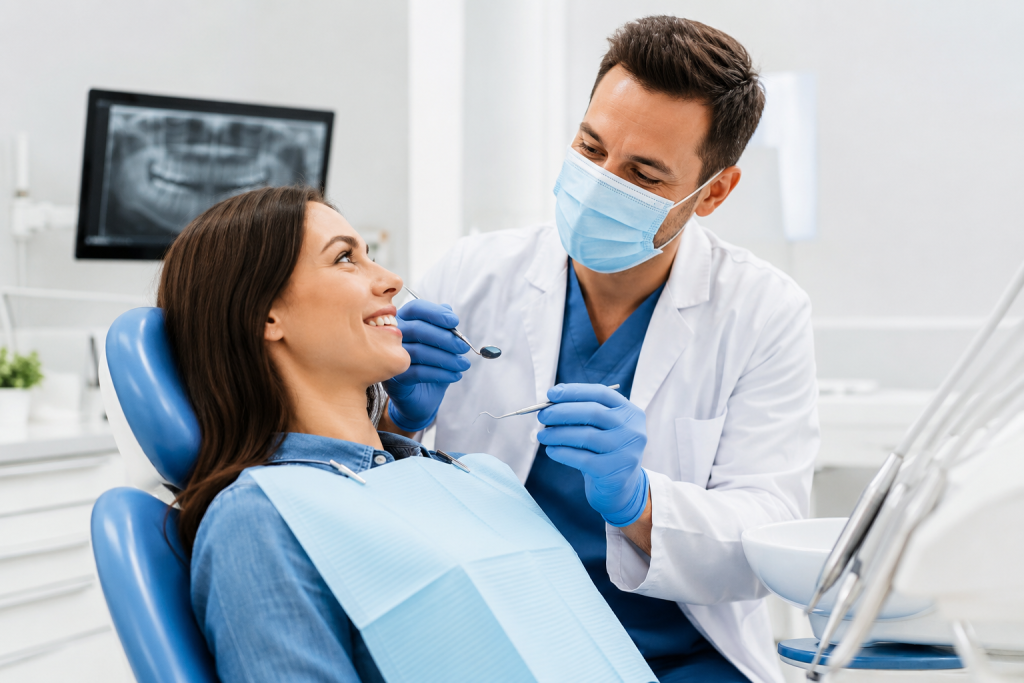
You want affordable dental care in Pleasure Ridge Park without sacrificing quality or comfort. This article shows practical options nearby, explains typical costs, and points to ways you can lower expenses through insurance, discounts, and preventive care. You can find trustworthy, budget-friendly dental services close to home that prioritize your comfort and long-term oral health.
Expect clear comparisons of local clinics, payment plans, and insurance-friendly practices, plus tips on choosing a dentist who matches your needs. The post also covers modern treatments that fit tighter budgets and resources for families or special-needs care, helping you take confident next steps toward better oral health.
Understanding Dental Costs in Pleasure Ridge Park
Dental costs in Pleasure Ridge Park depend on procedure type, clinic resources, and the patient’s insurance or payment choices. Readers will find clear factors that drive price differences, reasons clinics charge differently, and practical ways to manage what they pay out of pocket.
Common Factors Affecting Pricing
Procedure complexity and time required directly influence price. A simple filling typically costs far less than a root canal or crown because of materials, chair time, and lab fees.
Materials matter: composite (tooth‑colored) fillings cost more than amalgam; zirconia or porcelain crowns cost more than metal ones. Specialized equipment—CBCT scans, lasers, or in‑office milling—adds to fees but can improve outcomes and reduce visits.
Provider experience and specialty affect cost. General dentists charge less than endodontists or oral surgeons for comparable work. Location in Louisville and clinic overhead—rent, staff wages, and sterilization protocols—also factor into final prices.
Readily available discounts, bundled treatment plans, or membership programs can lower total costs.
Why Costs Vary Among Clinics
Different clinics set prices based on operating models. A high‑volume community clinic may offer lower fees through economies of scale, while a private practice that emphasizes advanced sedation or cosmetic materials will charge more.
Licensing, continuing education, and accreditations influence fees; practices investing in sedation certification, implant training, or Invisalign aligners often pass those costs to patients.
Payment options change sticker prices. Clinics that accept multiple insurances may have negotiated fee schedules that differ from cash prices. Some offices publish transparent price lists; others provide estimates only after examination.
Patient experience also differs: a higher fee may include longer appointments, comprehensive treatment planning, and follow‑up care, which can be worth the cost for patients with complex needs.
Navigating Out-of-Pocket Expenses
Verify insurance details before treatment. Ask for CPT or CDT codes and confirm coverage levels, annual maximums, and waiting periods to avoid surprises. Many local practices in Pleasure Ridge Park provide pre‑treatment estimates or predetermination requests for major procedures.
Consider financing and discount options. CareCredit, in‑house payment plans, and clinic membership plans can spread costs over months with low or zero interest. For low‑income patients, community dental clinics and federally qualified health centers near Louisville offer reduced fees on a sliding scale.
Request an itemized estimate in writing. Compare quotes from two or three clinics for the same procedure, and ask about alternative treatment sequences that reduce immediate costs while preserving oral health.
Local Options for Budget-Friendly Dental Care
Pleasure Ridge Park residents can find reduced-cost care through community clinics, flexible private offices, and nearby dental schools. Each option balances cost, convenience, and service scope so patients can pick what fits their needs and schedule.
Community Clinics and Programs
Several community health centers in southwestern Louisville offer sliding-scale fees based on household income and family size. Family Health Centers and Seven Counties Services sometimes include basic dental care or can refer patients to partner clinics that accept Medicaid and discounted self-pay rates.
Many clinics prioritize preventive care—cleanings, exams, and fillings—while more complex work like crowns or implants may require referral. Patients should bring proof of income, ID, and any insurance cards to speed enrollment and verify eligibility.
Local churches and nonprofit outreach events periodically provide free screenings and fluoride varnish for children. Appointments often fill quickly, so calling ahead and asking about waitlists or cancellation slots helps secure faster care.
Private Practices with Payment Plans
Several private dental offices near PRP advertise in-house financing and partnerships with third‑party lenders like CareCredit or LendingClub. These plans commonly split costs into 3–12 month interest-free terms or longer low‑interest schedules for major procedures.
Offices such as small group practices on Dixie Highway often offer membership programs: an annual fee covers two cleanings and X‑rays at reduced rates for additional services. Patients should request a written estimate and compare total out‑of‑pocket cost, interest, and any setup fees before committing.
Transparent communication about treatment priorities—urgent pain relief vs. elective cosmetic work—lets clinicians propose staged care to spread cost while addressing health needs first.
Dental Schools Offering Services
The University of Louisville School of Dentistry provides reduced‑fee treatment performed by students under licensed faculty supervision. Typical services include exams, cleanings, simple extractions, root canals, and crowns, often at 30–60% below private fees.
Appointments can take longer because of teaching procedures, and multiple visits may be scheduled for a single treatment. Patients benefit from faculty oversight and access to current techniques and materials.
Call the School of Dentistry to ask about eligibility, required forms, and the schedule for clinics focused on adults, children, or special care populations.
Insurance and Savings Solutions
This section explains practical ways to lower out-of-pocket costs using dental insurance, discount programs, and payment plans available in Pleasure Ridge Park. It highlights actions patients can take at the office and with their carrier to make care affordable and timely.
Using Dental Insurance Wisely
Patients should verify benefits before scheduling care. Call the plan’s customer service or use the insurer’s portal to confirm deductible status, annual maximums, waiting periods, and in-network coverage for specific procedures like crowns or root canals.
Bring the insurance card and policy ID to appointments and ask the front desk to submit pre-treatment estimates for major procedures. Pre-estimates often show what the insurer will pay and what the patient will owe, preventing surprise bills.
Understand common plan limitations: diagnostic and preventive visits often pay at higher percentages; major restorative work may require a waiting period. If a needed procedure is non-covered, request a predetermination or ask the office to code services in ways that maximize covered benefits without misrepresenting care.
Discount Plans and Memberships
Discount dental plans and office membership programs offer predictable savings for patients without traditional insurance. These plans typically charge an annual fee and reduce fees for services like cleanings, fillings, crowns, and X-rays by 10–60%.
Compare networks, exclusions, and enrollment fees. Some local Louisville plans work only with participating providers; verify that the Pleasure Ridge Park practice accepts the plan before enrolling. Review the fee schedule for common services to calculate potential savings.
Office membership plans often include biannual cleanings, X-rays, and a reduced fee schedule for other treatments. Ask about family pricing, whether preventive care is included, and any limits on cosmetic procedures, which are commonly excluded from discounts.
Negotiating Payment Arrangements
Many practices in Pleasure Ridge Park offer flexible payment options for uninsured or high-cost care. Patients should ask about interest-free financing for 6–12 months or low-interest plans through third-party lenders like CareCredit or local medical credit providers.
Request an itemized treatment plan and a written estimate. Use that to propose a payment schedule that matches pay periods — for example, monthly installments — and confirm any fees or penalties for late payments in writing.
For larger treatment plans, consider phased care: prioritize urgent or preventive steps first, then schedule elective or major restorative work over months. Practices often provide reduced fees for bundled treatment or cash payments; patients should ask directly and compare options before committing.
Preventive Dental Strategies to Avoid Higher Costs
Preventive steps focus on stopping decay, controlling gum disease, and catching problems early to avoid costly procedures. Practical routines, timely check-ups, and knowing warning signs keep care affordable and preserve natural teeth.
Importance of Routine Check-Ups
Regular dental exams and cleanings are the single most cost-effective way to prevent major treatment. A dental visit every six months typically includes a professional cleaning, oral cancer screening, and bite/tooth inspection that can find cavities, cracked teeth, or gum inflammation before they require crowns, root canals, or extractions.
Many clinics in Pleasure Ridge Park offer sliding-scale pricing, low-cost clinics, or community dental days for routine care. Patients with insurance should verify coverage for two cleanings per year; those without insurance should ask about package rates or membership plans that reduce per-visit fees.
Early detection saves money: treating a small cavity with a filling is far cheaper than treating the same tooth with a root canal and crown later. Emphasize consistency—missed appointments increase risk and overall lifetime cost of dental care.
Home Oral Hygiene Tips
Daily habits control plaque and prevent decay and gum disease. Brushing twice daily with a fluoride toothpaste for two minutes and flossing once daily removes most plaque; using an interdental brush or water flosser helps where teeth are crowded or bridges are present.
Use a soft-bristled toothbrush and replace it every three months or after illness. An alcohol-free antimicrobial mouthwash can reduce gingivitis in patients who struggle with plaque control. For high-cavity-risk patients, a dentist may recommend prescription fluoride gel or varnish to strengthen enamel.
Diet matters: limit sugary drinks and sticky snacks, choose water between meals, and eat calcium-rich foods. For smokers or tobacco users, quitting significantly lowers risk of gum disease and oral cancer; clinics often provide cessation resources.
Identifying Early Warning Signs
Recognizing early symptoms lets patients seek care before costs escalate. Watch for persistent tooth sensitivity, pain when biting, bleeding or swollen gums, a loose tooth, a chronic bad taste or bad breath, or sores that do not heal within two weeks.
If teeth darken or a filling feels rough, book an exam; those can signal decay or a failing restoration. For gum recession, early intervention with deep cleanings and improved home care prevents the need for gum grafts. Sudden jaw locking, popping, or chronic headaches with jaw movement should prompt a TMJ evaluation to avoid advanced therapies.
When any of these signs appear, contact a local dental office promptly. Early treatment options are simpler and cheaper, and many practices in Pleasure Ridge Park will discuss payment plans or low-cost initial consultations to lower financial barriers.
Selecting the Right Dentist Near You
Patients should prioritize credentials, clear communication, and patient-focused office policies when choosing a dentist. Practical details—licensed clinicians, transparent pricing, accessible locations, and staff who explain options—make visits less stressful and care more effective.
Evaluating Dentist Credentials
Verify state licensure and look up any disciplinary actions through the Kentucky Board of Dentistry website. Confirm the dentist’s degree (DDS or DMD) and check for added certifications like membership in the American Dental Association (ADA) or specialty boards for endodontics, periodontics, or prosthodontics.
Review continuing education and training in specific procedures the patient needs, such as same-day crowns, dental implants, or sedation dentistry. Clinics that list recent courses or advanced-equipment certification (CBCT imaging, digital scanners) demonstrate ongoing investment in skills and safety.
Read third-party patient reviews and look for repeated comments about treatment quality, punctuality, and outcomes. Balance reviews against verified clinical facts rather than single opinions, and consider scheduling a consult to verify proficiency in person.
Comfort and Communication Factors
Observe how staff explain treatment options during initial calls or visits. Clear explanations of diagnosis, step-by-step treatment plans, and straightforward cost estimates reduce anxiety and unexpected bills.
Ask whether the office offers sedation options (nitrous oxide, oral sedation) and pain-management protocols for procedures. Inquire about appointment length estimates and emergency availability; practices that reserve same-day slots for urgent issues improve continuity of care.
Note the patient flow and how the team addresses fears: does the dentist use plain language, visual aids, or models? Friendly, patient-centered communication and a willingness to answer questions are strong indicators of a comfortable experience.
Finding Patient-Focused Offices
Check for practical features that matter: weekday evening hours, wheelchair access, and on-site digital x-rays to limit outside referrals. Confirm whether the office accepts Medicaid, sliding-scale fees, or works with local dental schools for reduced-cost care.
Compare payment options: upfront pricing, payment plans, third-party financing (CareCredit), and whether the office files insurance claims electronically. Transparent fee schedules and a written treatment estimate help patients budget and choose between alternatives.
Locate neighborhood clinics by searching terms like “affordable dental care Pleasure Ridge Park Louisville KY” and calling to ask specific questions about costs, treatment timelines, and follow-up care. Patient-focused offices will provide clear answers, written estimates, and a willingness to discuss preventive steps to reduce future expenses.
Modern Treatments That Fit Your Budget
Affordable options focus on pain-minimizing techniques, faster procedures, and payment-friendly plans to reduce out-of-pocket costs while maintaining quality care.
Gentle Approaches to Common Procedures
They use local anesthetics with buffering agents to reduce sting and onset time, making fillings and extractions more comfortable. For routine fillings, composite resin matched to tooth color often replaces silver amalgam; it bonds to tooth structure, preserving more enamel and reducing the need for future work.
Periodontal care emphasizes non-surgical options first. Scaling and root planing with ultrasonic instruments remove plaque and tartar efficiently, often performed across two visits to limit chair time and cost. When necessary, targeted antibiotics or localized antimicrobials can reduce inflammation without immediate surgery.
For anxious patients, nitrous oxide (laughing gas) and oral sedation provide safe, reversible anxiety control. These options shorten procedure-related stress, which can prevent missed appointments and ensuing expensive treatments.
New Technology That Saves Money
Digital X-rays cut radiation exposure and provide immediate images, allowing dentists to spot minor problems early when repairs are less costly. Intraoral cameras create detailed photos that document conditions and track changes, helping avoid unnecessary procedures.
CAD/CAM same-day crowns reduce multiple visits and lab fees by designing and milling restorations in-office. This approach lowers total treatment time and can reduce temporary-crown complications that lead to extra charges.
Laser dentistry treats soft-tissue issues and can assist with cavity detection, often shortening healing times and reducing appointment counts. Electronic records and appointment reminders minimize scheduling errors and missed visits, which often result in added fees.
Personalized Care Plans
They create treatment plans based on oral health goals, budget limits, and insurance details. Plans commonly prioritize urgent needs, preventive steps, and phased cosmetic work to spread costs over time.
Payment options typically include in-house financing, third-party plans (e.g., CareCredit), and sliding-scale fees for qualifying patients. Staff often prepares insurance estimates in advance and files claims electronically to reduce unexpected balances.
Follow-up care emphasizes preventive measures—professional cleanings every 3–6 months, fluoride varnish for high-cavity-risk patients, and custom night guards when grinding is present. These targeted steps reduce the chance of costly emergency procedures later and keep monthly expenses manageable.
Getting Support for Families and Special Needs
Local clinics in Pleasure Ridge Park provide targeted programs for children, seniors, and patients with disabilities. They combine sliding-scale fees, Medicaid acceptance, and appointment flexibility to make routine and urgent care accessible.
Affordable Pediatric Services
Pediatric dentists in the area accept Kentucky Medicaid (KCHIP/CHIP) and many offer sliding-scale payments for uninsured children. Clinics provide preventive care such as fluoride varnish, dental sealants, regular cleanings, and growth monitoring that help avoid costly treatments later.
They schedule shorter, child-friendly visits and use behavior guidance techniques to reduce fear. Nitrous oxide and conscious sedation are available when needed, with clear pre-visit instructions for parents about fasting and medication.
Schools and community centers partner with local providers for on-site screenings and sealant programs. Parents can ask about bundled well-child dental visits and bundled sibling appointments to lower transportation and time costs.
Help for Seniors and Caregivers
Dental offices in Pleasure Ridge Park work with Medicare Advantage plans that include dental benefits and with Medicaid waivers for long-term care patients. They offer home-visit evaluations for homebound seniors and coordinate with nursing homes for on-site care.
Clinics train staff in dementia-aware communication and mobility assistance, providing extra time for appointments and wheelchair-accessible operatories. Caregivers receive clear written care plans for denture maintenance, dry mouth management, and medication-related oral side effects.
Many practices create financial plans for fixed incomes, including low-interest payment plans and charity care applications. Families should request an initial financial counseling session to compare options before scheduling treatment.
Next Steps: Taking Charge of Your Oral Health
They should start by scheduling a checkup with a local Pleasant Ridge Park dentist to establish a baseline and discuss affordable care options. Early visits catch small issues before they become costly, and staff can explain payment plans, sliding-scale fees, or community programs.
They should adopt a simple daily routine: brush twice, floss once, and use fluoride toothpaste. Small consistent actions prevent most decay and gum disease; this saves money and discomfort over time.
They should ask about preventive services like sealants, routine cleanings, and fluoride treatments. These services often cost less than restorative work and offer long-term savings.
They should prepare a short list of questions before the appointment. Suggested questions:
- What low-cost or sliding-scale options do you offer?
- Are new patients eligible for discounts or first-visit exams?
- Which treatments are urgent versus elective?
They should request a written estimate and treatment timeline for any recommended work. Clear estimates help avoid surprises and let them prioritize care based on need and budget.
They should explore community resources if cost remains a barrier. Local health centers, dental schools, and non‑profit clinics often offer reduced-fee care and can coordinate follow-up treatment.
They should contact the clinic to book a consultation or ask about assistance programs. A friendly call can clarify next steps and make dental care feel more accessible.
Frequently Asked Questions
This section answers practical questions about finding affordable dental care, preparing for appointments, insurance acceptance, emergency walk-ins, gentle dentistry options, and simple steps to avoid costly treatments.
How can I find a dentist nearby who offers quality care at a price that fits my budget?
They should start by searching clinics in Pleasure Ridge Park and checking patient reviews and clinic websites for pricing information.
Call offices to ask about sliding scales, discount plans, or special pricing for new patients and routine services.
Community health centers and dental schools often offer lower fees; the Louisville dental school may have supervised student clinics at reduced cost.
Ask about payment plans or third‑party financing like CareCredit to spread out larger bills.
What should I bring to a first appointment, and how does the check-in process usually work?
Bring a photo ID, current insurance or Medicaid/Passport card, and a list of medications and medical conditions.
If available, bring any recent dental x-rays or records to avoid duplicate imaging.
Expect to complete intake forms either online before arrival or on paper at check‑in.
The front desk typically verifies insurance, confirms payment options, and schedules any needed follow‑up visits.
Do any local dental offices accept Medicaid or Passport, and what services are typically covered?
Several clinics in Louisville and the Pleasure Ridge Park area accept Kentucky Medicaid and Passport Health Plan; callers should verify acceptance for the specific office.
Coverage commonly includes exams, cleanings, extractions, and some restorative work for eligible adults and more comprehensive services for children under EPSDT rules.
Coverage limits and prior‑authorization rules vary, so ask the office to explain what procedures require approval and what out‑of‑pocket costs to expect.
If a clinic does not accept Medicaid or Passport, they may provide referrals or offer sliding‑scale fees.
Can I be seen as a walk-in if I have a toothache or sudden dental problem?
Many practices reserve same‑day slots for dental emergencies like severe pain, swelling, or a broken tooth.
Call ahead to confirm walk‑in policies; some offices require a brief phone triage before arranging an immediate visit.
If offices are full, urgent care clinics or hospital emergency rooms can address severe infection or bleeding and provide pain control until dental treatment is available.
Keep the clinic’s after‑hours number handy for nights and weekends.
What are my options for gentle, low-stress dentistry if I feel nervous about dental visits?
Dental offices in the area often offer techniques to reduce anxiety such as topical numbing, nitrous oxide (laughing gas), and oral sedatives.
Staff trained in gentle care will use clear explanations, slower pacing, and breaks during treatment to make patients comfortable.
For severe dental phobia, some practices provide IV sedation or referrals to specialists who perform treatment in a controlled setting.
Ask about a consultation visit to meet the team and discuss comfort options before scheduling procedures.
How can I prevent expensive dental problems with simple at-home care and regular checkups?
Brush twice daily with fluoride toothpaste and floss once a day to remove plaque that leads to cavities and gum disease.
Limit sugary snacks and sip water after sugary or acidic drinks to reduce enamel damage.
Schedule professional cleanings and exams every six months or as the dentist recommends to catch problems early.
Ask the dental team about fluoride treatments, sealants, or individualized home care tips to lower future costs and preserve oral health.