
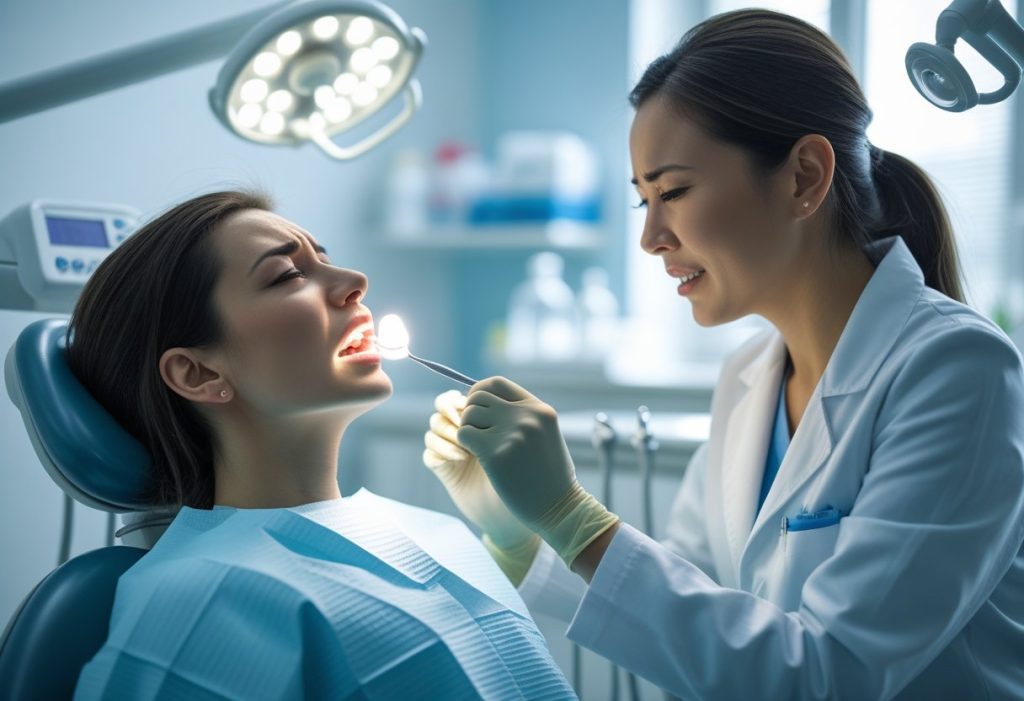
A sudden toothache, a chipped tooth, or bleeding gums can happen without warning—and often at the worst possible time. Knowing exactly what to do during a dental emergency can make the difference between saving and losing a tooth. Quick action and staying calm help protect oral health until professional care is available.
When pain strikes or an injury occurs, confusion often follows. Many don’t know which problems need immediate attention and which can wait for a regular appointment. Understanding what qualifies as a dental emergency helps avoid unnecessary stress and ensures timely treatment.
Whether it’s a knocked-out tooth, swelling, or a lost filling, taking the right steps can ease discomfort and prevent complications. A trusted dentist can guide the next move, answer questions, and restore comfort quickly.
Key Takeaways
- Recognize which dental issues require urgent attention.
- Act quickly with simple steps to protect teeth and reduce pain.
- Contact a dental professional as soon as possible for proper treatment.
What Is Considered a Dental Emergency?
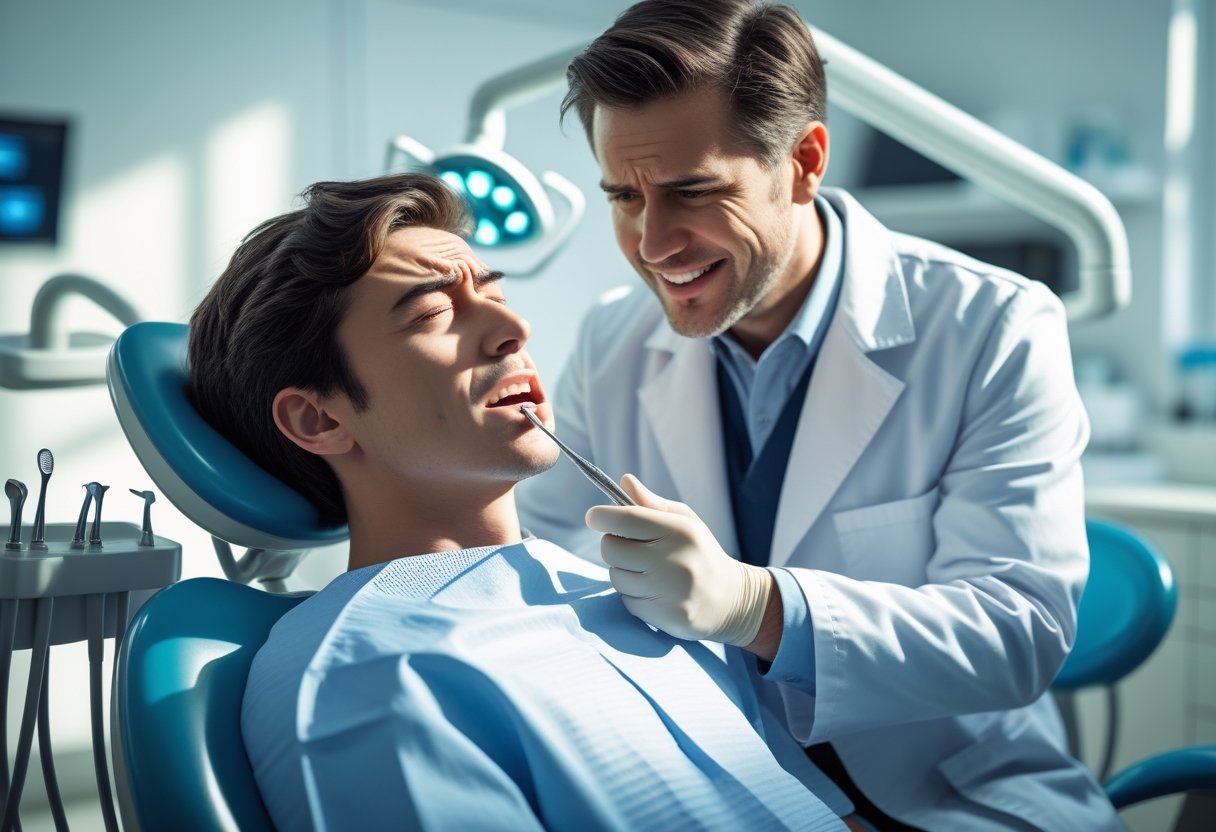
A dental emergency involves sudden pain, injury, or infection that cannot wait for a routine visit. It often requires quick action to relieve discomfort, prevent lasting damage, or preserve a tooth.
Common Types of Dental Emergencies
Some oral health issues demand immediate care because delaying treatment can lead to permanent harm. Severe toothaches caused by infection or nerve inflammation are among the most frequent examples. A knocked-out tooth should be kept moist — ideally in milk or saline — and seen by a dentist within an hour for the best chance of saving it.
Other urgent examples include cracked or fractured teeth, especially when pain or bleeding is present. A dental abscess, a localized infection filled with pus, can spread quickly and requires prompt attention. Uncontrolled bleeding after an extraction, or an injury to the lips, tongue, or jaw following trauma, also warrants immediate evaluation.
| Type of Emergency | Immediate Action |
|---|---|
| Knocked-out tooth | Keep tooth moist, seek help within 60 minutes |
| Severe pain or abscess | Call dentist or emergency line right away |
| Cracked or broken tooth | Rinse mouth with warm water, avoid biting pressure |
| Uncontrolled bleeding | Apply gentle pressure with clean gauze |
Recognizing Urgent Symptoms
Some symptoms signal that dental care cannot wait. Intense, throbbing pain, facial swelling, or fever may point to infection spreading beyond the tooth. Infections that reach the face or neck can become serious if untreated.
Bleeding that doesn’t stop after 15 minutes of pressure, loose adult teeth, or visible swelling in the gums or jaw are warning signs of urgent dental problems. People may also notice sensitivity to temperature accompanied by sharp pain, especially after oral trauma.
Recognizing these signs early helps prevent larger complications, such as abscess rupture or tooth loss. When in doubt, patients should contact their dentist’s emergency line or proceed to an emergency dental clinic.
What Is Not a Dental Emergency
Some problems cause discomfort but typically do not require immediate care. Examples include a minor toothache that responds to over-the-counter pain relief or a small chip in a tooth without pain or exposed nerve. Lost fillings or crowns can usually wait a short time unless sharp edges irritate the tongue or gums.
A broken retainer, minor gum irritation, or temporary sensitivity from whitening often resolves with home care or a prompt but non-urgent dental visit. People can protect themselves by maintaining good hygiene, avoiding very hard foods, and scheduling regular checkups.
If a person is unsure, contacting the dental office for guidance can clarify whether to come in immediately or book the next available appointment.
Immediate Steps to Take During a Dental Emergency
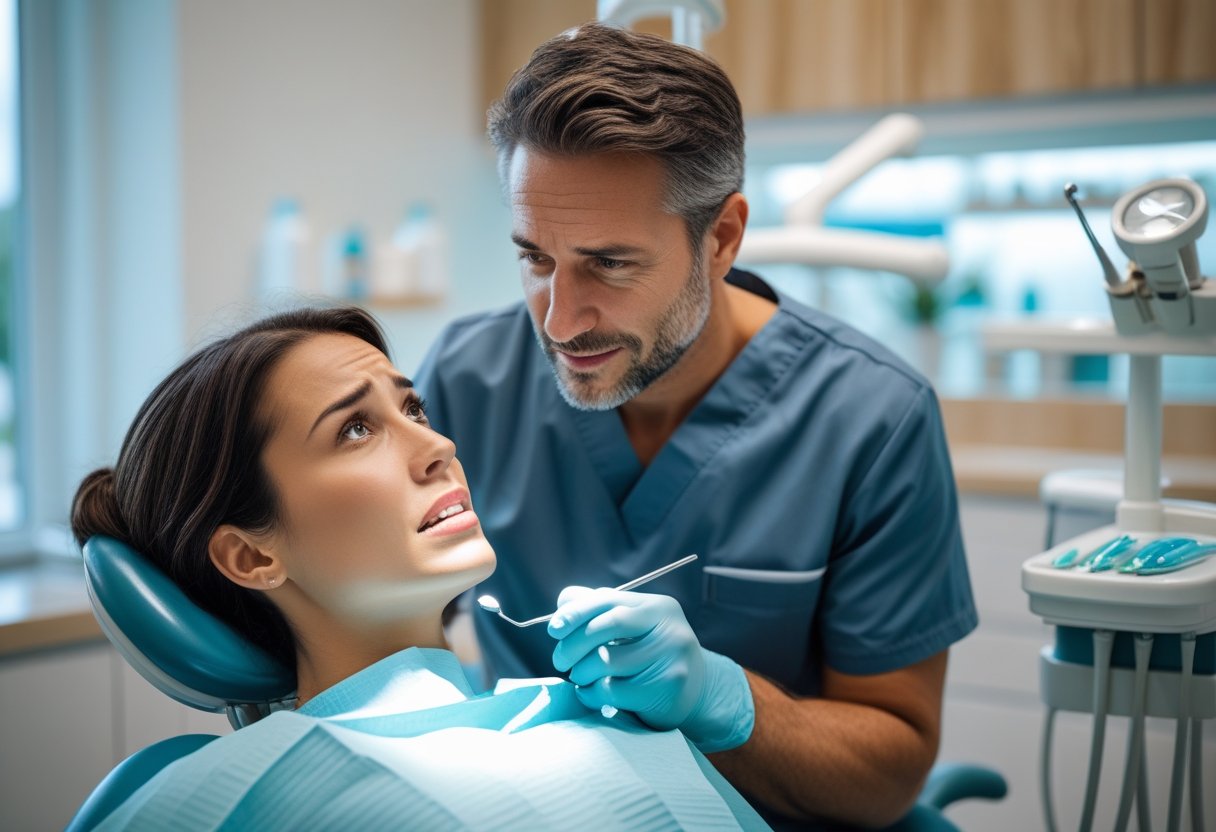
Quick, focused action can limit damage, reduce pain, and improve recovery in a dental emergency. Calm thinking, gentle handling of the injured area, and timely communication with a dentist often make the biggest difference in protecting teeth and gums.
Staying Calm and Assessing the Situation
Staying calm helps a person think clearly and take the right actions. Panicking can lead to unnecessary movement or pressure on the injured area. The first step is to identify what happened—whether it’s a knocked-out tooth, cracked enamel, soft tissue injury, or sudden toothache—and determine how severe it appears.
If there is significant bleeding, apply gentle pressure with a clean cloth or gauze. Check for swelling, missing fragments, or sharp edges that could cut the mouth. Keeping the person upright and still prevents further injury. Writing down observations or taking a quick photo before calling the dentist can help describe the situation accurately.
Protecting the Injured Area
Protecting the mouth from further harm prevents infection and makes later treatment easier. Avoid touching broken or displaced teeth with bare fingers; instead, handle them carefully if movement is necessary. If an orthodontic wire or crown becomes loose, cover any sharp edges with dental wax, gauze, or sugar-free gum until professional care is available.
Avoid chewing on the affected side and skip hard, crunchy, or sticky foods. Rinsing the mouth gently with lukewarm water can clear debris without disturbing the injured tissues. Do not use alcohol-based mouthwash or hydrogen peroxide, as these can irritate sensitive areas. Keeping the area clean and protected helps control discomfort and preserve oral tissue health.
Pain Relief Strategies
Pain often accompanies dental emergencies, but safe at-home measures can help while waiting for treatment. Over-the-counter pain relievers like ibuprofen or acetaminophen can ease discomfort and reduce inflammation. It’s important to follow label directions and avoid applying aspirin or gels directly to the gums, as this can cause burns or irritation.
A cold compress placed on the cheek for 10–15 minutes at a time helps limit swelling and provides relief. Elevating the head slightly when lying down can also reduce pressure and throbbing. Staying hydrated and maintaining gentle oral hygiene help control bacteria and improve comfort until a dentist provides definitive care.
Preserving Dislodged Teeth or Fragments
When a tooth or piece of tooth becomes dislodged, how it’s handled directly affects the chance of saving it. If a permanent tooth is completely knocked out, pick it up only by the crown (the white visible part). Avoid touching the root. Rinse it briefly with clean water if dirty, but do not scrub or dry it.
If possible, reinsert the tooth gently into the socket and hold it in place with light pressure using clean gauze. If that’s not possible, keep it moist in a small container of milk, saline, or in the person’s own saliva. For broken tooth fragments, place them in clean water or milk and bring them to the dentist. Acting within 30 to 60 minutes significantly improves the outcome, making timely dental care essential.
When and How to Contact a Dentist
Acting quickly during a dental emergency protects oral health and can save a tooth. Knowing where to find help, what details to share, and what happens once care begins ensures the patient receives the right treatment with minimal stress.
Finding Emergency Dental Care
If someone experiences severe tooth pain, swelling, bleeding, or a knocked-out tooth, they should contact a dentist right away. Many dental offices keep after-hours lines or provide emergency contact information on their voicemail and website. If a dentist is unavailable, urgent care or an emergency room may be the best option—especially when pain is intense or there are signs of infection such as fever and facial swelling.
Patients can search online using terms like “emergency dentist near me” to locate clinics open for same-day or walk-in visits. Insurance company websites often list in-network emergency providers, which helps reduce unexpected costs. Keeping a local dentist’s emergency number saved in a phone or wallet can make an urgent situation feel more manageable.
In large cities, mobile dental services may even come directly to the patient for urgent treatment. In smaller areas, dental offices often share call coverage, so another trusted dentist can step in when the regular office is closed.
What Information to Provide
When calling for emergency dental help, clear communication saves valuable time. The patient or a family member should describe the type of problem (for example, “broken tooth” or “severe swelling”), when it started, and how much pain is present. Mentioning whether the injury resulted from an accident, chewing, or an existing dental procedure helps the dentist prepare proper equipment.
It’s also useful to share medical history, allergies, and current medications. Patients should give their insurance information and a callback number in case the office needs updates before arrival.
If a tooth has been knocked out, the caller should tell the office that the tooth has been kept moist in milk or saline—this small detail can make a difference in saving it. Providing accurate and calm details helps the office prioritize the visit and guide next steps.
What to Expect at Your Emergency Visit
Upon arrival, a patient can expect the dental team to focus first on relieving pain and controlling bleeding or swelling. The dentist will likely take digital X-rays and perform a quick but thorough exam to identify the source of the issue.
Based on findings, treatment might include filling a cavity, replacing a crown, performing a root canal, or draining an infection. If a restoration or tooth was damaged, the dentist may provide a temporary repair to stabilize it until a follow-up appointment.
Payment and insurance details are usually handled before the patient leaves to avoid confusion later. The staff often review at-home care steps and schedule a recheck to ensure healing continues properly. Patients can expect reassurance, clear instructions, and a focus on restoring comfort and health as quickly as possible.
Home Care Tips Until You See a Professional
Knowing how to care for an injured tooth or painful mouth at home helps ease discomfort and lowers the risk of complications. Simple steps like cleaning gently, keeping swelling down, and using safe pain relief methods can make a meaningful difference until professional care is available.
Rinsing and Cleaning the Mouth
Keeping the mouth clean reduces bacteria and discomfort after an injury or sudden pain. A warm saltwater rinse—mixing about half a teaspoon of salt in a cup of warm water—helps gently flush out debris and soothe sore tissues. It’s important to swish softly and avoid vigorous rinsing, especially after a tooth has broken or fallen out.
If food particles are stuck, patients can use dental floss carefully to remove them, avoiding toothpicks or sharp objects that may irritate the gums. When dealing with a lost filling, gently cleaning around the area and keeping it free of food buildup helps prevent further irritation.
For knocked-out teeth, skipping any scrubbing is crucial. Instead, they should lightly rinse the tooth root with water if it’s dirty and, if possible, place it back in its socket. If that’s not possible, it should be stored in milk or a tooth preservation solution to prevent the root surface from drying out before treatment.
Managing Swelling and Bleeding
Swelling and bleeding often follow dental injuries or infections. Applying a cold compress or wrapped ice pack to the cheek for 10–15 minutes at a time can help reduce inflammation and numb pain. Patients should avoid heat, which can worsen swelling or promote infection spread.
To control bleeding, gently pressing sterile gauze or a clean cloth on the affected area often helps. If bleeding doesn’t stop within about 15–20 minutes, urgent professional attention is needed. Keeping the head elevated can also limit blood flow to the area and reduce pressure.
Drinking plenty of water and avoiding alcohol or smoking supports clot formation and healing. In situations such as cheek bites or tongue injuries, biting gently on gauze helps stabilize bleeding until a dentist can properly assess the wound.
Safe Use of Over-the-Counter Remedies
Over-the-counter (OTC) pain relievers can provide short-term comfort, but understanding proper use matters. Nonsteroidal anti-inflammatory drugs (NSAIDs) such as ibuprofen can relieve both inflammation and pain. Acetaminophen is another option for those who cannot take NSAIDs. Aspirin should not be placed directly on gums or teeth since it can burn soft tissue.
Topical oral gels containing benzocaine may numb sensitive areas, but they should be used sparingly and as directed. Applying them only on intact tissue helps avoid further irritation.
An easy reference for safe dosing:
| Remedy | Common Use | Important Note |
|---|---|---|
| Ibuprofen (200–400 mg) | Pain and swelling | Take with food, follow package directions |
| Acetaminophen (500–1000 mg) | Pain relief | Avoid exceeding daily limit (usually 3000 mg) |
| Saltwater rinse | Mild antiseptic | Repeat every few hours if needed |
Hydration and rest also help manage pain naturally. Even when symptoms ease, scheduling prompt professional evaluation ensures underlying damage doesn’t worsen and prevents infection from developing.
Preventing Future Dental Emergencies
Keeping teeth strong and healthy starts long before an emergency happens. Consistent care, protective habits, and professional oversight greatly reduce the chance of unexpected pain, injury, or infection.
Daily Habits for Dental Health
Good oral care routines keep most dental emergencies from ever developing. Brushing twice a day with fluoride toothpaste and using floss or interdental brushes removes food particles and bacteria that lead to decay or gum disease. A soft-bristled toothbrush prevents enamel wear and gum irritation.
Limiting sugary snacks and acidic drinks helps protect the enamel. A simple rinse with water after meals or consuming dairy products like cheese can neutralize acids naturally. Staying hydrated also supports saliva flow, which repairs minor enamel damage.
Individuals who grind their teeth at night should ask about a custom night guard. Grinding can fracture teeth or fillings over time. Adopting these small, steady habits makes serious dental issues far less likely while keeping the mouth healthier and fresher each day.
Protective Gear for Sports and Activities
Tooth injuries often happen during sports or recreational activities. Wearing a properly fitted mouthguard—custom-made by a dentist or high-quality over-the-counter—can protect both the teeth and the jaw from impact. Children and adults who play contact sports such as basketball, hockey, or martial arts benefit the most from this protection.
Helmets with face shields add another layer of safety for activities like cycling, skateboarding, or baseball. They reduce the risk of jaw fractures and soft tissue injuries. Even in non-contact activities, an unexpected fall or collision can cause damage, so consistent use of gear matters.
Storing mouthguards in a ventilated case and cleaning them with mild soap and water prevents bacterial buildup. Regular replacement is recommended if the device becomes loose or worn. A few simple precautions can prevent years of dental complications and unnecessary pain.
Regular Dental Checkups
Professional checkups allow dental teams to find small problems before they turn serious. Dentists can spot weak enamel, cracked fillings, or early gum inflammation during routine cleanings and examinations every six months.
These visits also include tartar removal, oral cancer screenings, and advice tailored to each person’s bite, habits, and medical history. Early treatment of cavities or infection prevents discomfort and costly emergency procedures later on.
For those prone to dental issues, more frequent visits may help keep trouble under control. Patients should feel comfortable discussing sensitivity, pain, or cosmetic concerns during these appointments. Preventive visits keep smiles healthy and provide peace of mind knowing that professional support is always close by.
Frequently Asked Questions
During a dental emergency, quick and calm decisions can make a difference in protecting teeth and reducing pain. Knowing what to do immediately, where to get care, and how to handle situations when professional help isn’t available ensures better outcomes and less stress.
What should I do immediately after experiencing a dental emergency?
If a tooth is broken, knocked out, or causing severe pain, the person should contact a dentist or emergency clinic right away. Saving any broken pieces or a knocked-out tooth in milk or saline helps preserve it for possible reattachment.
They should rinse their mouth gently with warm water and apply a cold compress to control swelling. Avoiding aspirin directly on the gums prevents tissue irritation.
How can I find emergency dental care services near me?
Most dental offices list after-hours or emergency contact numbers on their websites or voicemail systems. Many cities also have 24-hour clinics that take walk-ins for dental injuries, infections, or severe pain.
Online searches using phrases such as emergency dentist near me or calls to local dental associations can quickly locate nearby options.
What are some common types of dental emergencies?
Common emergencies include chipped or cracked teeth, knocked-out teeth, sudden toothaches, lost fillings, and abscesses that cause facial swelling or fever.
Gum injuries and damaged dental appliances, like broken dentures or crowns, also require prompt attention to prevent infection or further damage.
How can I manage a dental emergency if I’m unable to visit a dentist right away?
If immediate dental care isn’t possible, they can manage pain with over-the-counter medication and apply a cold compress to reduce swelling. Keeping the mouth clean with gentle rinsing prevents bacteria buildup.
Avoiding hard or sticky foods and using dental wax to cover sharp edges of broken teeth can reduce irritation until treatment is available.
Can hospitals provide treatment for dental emergencies?
Hospitals can manage severe infections, uncontrolled bleeding, or facial trauma involving the mouth or jaw. Emergency room doctors can relieve pain and prescribe antibiotics if needed, but follow-up care with a dentist is usually required for lasting treatment.
Are there any affordable options for emergency dental care if I don’t have insurance?
Community dental clinics and dental schools often offer emergency services at reduced rates. Payment plans or discount programs can also help make urgent care more accessible.
Speaking with a dental provider about options beforehand ensures no one delays important treatment due to cost concerns.