
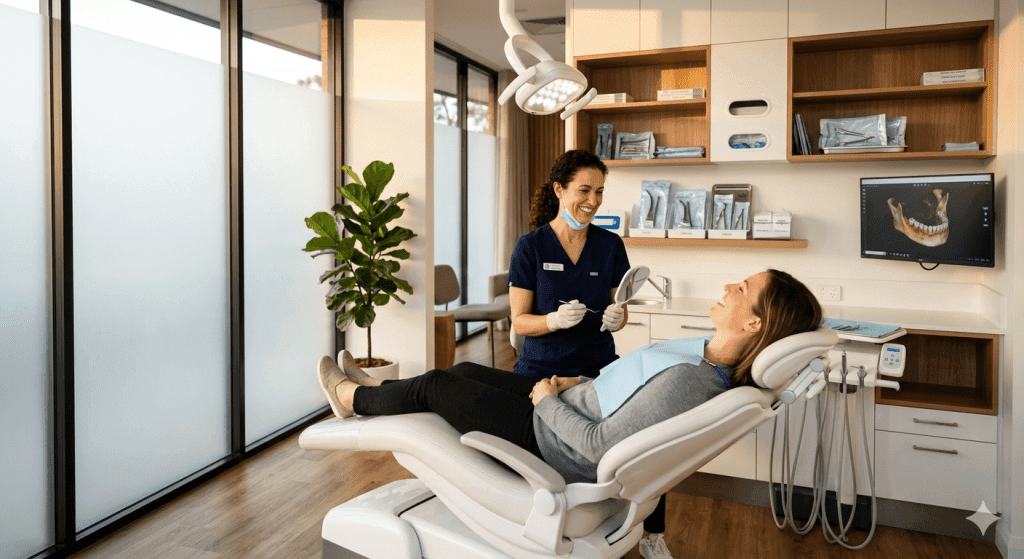
When a dental emergency strikes in Louisville, knowing where to turn can make all the difference. Whether it’s a sudden toothache, a knocked-out tooth, or a painful infection, prompt care is essential to prevent further damage and ease discomfort. Emergency dental care in Louisville, KY, is available to provide fast, professional treatment when unexpected dental problems arise.
Local dental offices and clinics understand that emergencies don’t follow a schedule. They offer flexible appointments, quick assessments, and modern treatments designed to restore oral health and comfort as soon as possible. Many also focus on making patients feel at ease during stressful situations.
If someone experiences a dental emergency, it’s important to act quickly and seek expert help right away. Knowing where to go and what to expect can relieve anxiety and improve outcomes, helping people return to their daily lives with confidence.
Recognizing a Dental Emergency
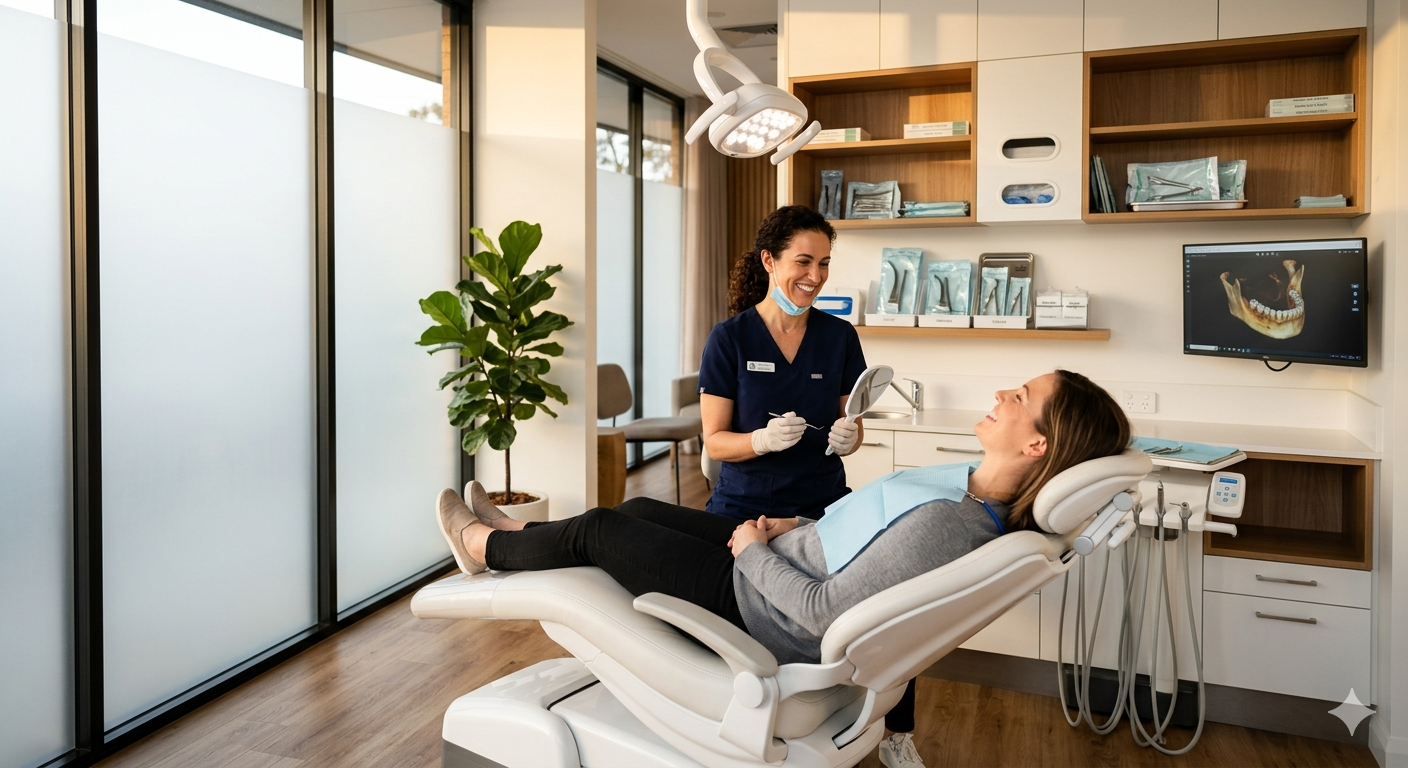
Knowing when to seek emergency dental care can prevent further damage and relieve intense pain quickly. Certain signs and symptoms clearly indicate the need for immediate attention, while others may be uncomfortable but not urgent. Understanding these differences helps in making the right decisions when dental issues arise.
Common Signs You Need Immediate Care
Severe tooth pain that does not improve with over-the-counter medication is a strong indicator that urgent care is needed. Significant swelling around the face or jaw can signal infection or abscess, which requires prompt treatment to avoid complications.
Other urgent signs include a knocked-out tooth, broken or cracked teeth that expose the nerve, and uncontrolled bleeding in the mouth. If any of these occur, it’s advisable to contact an emergency dentist in Louisville right away to stabilize the problem and reduce pain.
Symptoms That Shouldn’t Be Ignored
Persistent toothache lasting more than two days often signals an infection or deep decay. Tenderness or swelling in the gums combined with fever may point to an abscess, which demands timely care to prevent the infection from spreading.
Difficulty swallowing or breathing due to dental swelling is a serious red flag. Even moderate, continuous jaw pain or a tooth that feels loose without obvious trauma can indicate underlying issues requiring evaluation.
Differences Between Urgent and Non-Urgent Issues
Urgent issues typically involve severe pain, risk of infection, or trauma causing physical damage to teeth or gums. These situations usually need immediate intervention to save teeth or prevent serious health risks.
Non-urgent dental problems, such as mild tooth sensitivity, minor chips, or discomfort from braces, can often wait for a regular dental appointment. Identifying whether an issue fits into urgent or non-urgent helps avoid unnecessary stress and ensures emergencies get priority care.
Types of Dental Emergencies
Dental emergencies vary in severity and require timely attention to prevent further damage or pain. Recognizing the signs and understanding initial care steps can make a significant difference in outcomes. Common issues include damaged teeth, intense pain, and complete tooth loss.
Chipped or Broken Teeth
A chipped or broken tooth can happen from accidents, biting hard foods, or sports injuries. The key concern is protecting the tooth from infection and reducing pain. If possible, save any broken pieces and rinse the mouth with warm water. Avoid using the damaged tooth for chewing until seen by a dentist.
Treatment usually involves smoothing rough edges, bonding with dental resin, or placing a crown for larger breaks. Immediate care helps preserve the tooth structure and prevents sensitivity. If the chip exposes the nerve, pain and swelling can occur, signaling a need for urgent care.
Severe Toothaches
Severe toothaches often indicate an infection or nerve damage inside the tooth. The pain might be constant or worsen with temperature changes or pressure. Rinsing with saltwater and taking over-the-counter pain relievers can ease discomfort temporarily.
It is critical to have a dental professional evaluate severe tooth pain quickly. Left untreated, infections can spread to the gums or jawbone. They may perform root canals or prescribe antibiotics based on the severity and source of the pain.
Knocked-Out Teeth
When a tooth is completely knocked out, acting fast dramatically improves the chance of saving it. The tooth should be handled by the crown, not the root, to avoid damaging cells necessary for reattachment. Rinse it gently if dirty but do not scrub.
If possible, place the tooth back into the socket and hold it in place. Alternatively, keep it moist in milk or a tooth preservation kit. Seeing an emergency dentist within 30 minutes to an hour is ideal for the best chances of successful reimplantation.
What to Do Before You Reach the Dentist
Taking immediate and appropriate action can reduce pain and prevent further damage before professional care is available. Knowing specific steps for different dental emergencies helps manage the situation calmly and effectively.
First Aid Steps at Home
If a tooth is knocked out, gently rinse it with water without scrubbing. The best option is to place it back in the socket carefully. If that’s not possible, store the tooth in a glass of milk or saline solution to keep it moist.
For a broken tooth, save any fragments and avoid touching the root. Use a clean cloth or gauze to control bleeding. If bleeding persists beyond 10 minutes, apply gentle pressure and seek prompt care.
In case of a soft tissue injury inside the mouth, rinse gently with warm salt water. Apply a cold compress to reduce swelling and avoid spicy or hot foods until the area heals.
Managing Pain and Swelling
Over-the-counter pain medications like ibuprofen can help reduce inflammation and discomfort. Avoid aspirin since it may increase bleeding. Apply a cold compress to the outside of the cheek for 15-minute intervals to ease swelling.
Keep the head elevated when resting to minimize throbbing. Avoid chewing on the injured side to protect the area. Rinsing gently with warm salt water can soothe irritation, but do not rinse forcefully as it may worsen the injury.
For persistent or severe pain, avoid home remedies and seek emergency dental care as soon as possible for accurate diagnosis and treatment.
Handling Lost Fillings and Crowns
If a filling falls out, clean the tooth gently with warm water and avoid eating on that side. Temporary dental cement, available at pharmacies, can be used to protect the exposed area until the dentist visit.
When a crown comes off, check if it’s damaged. Clean both the crown and the tooth, then try to place the crown back gently to protect the tooth temporarily. Dental cement can secure it, but do not force the crown if it doesn’t fit.
In both cases, contact a dentist promptly to prevent further decay or damage from exposure. Avoid sticky or hard foods that can cause more harm before professional treatment.
How Emergency Dental Visits Work
Emergency dental visits focus on quickly assessing and addressing urgent issues while keeping patient comfort a priority. The process involves a careful exam, diagnosis, and immediate treatment options suited to the problem at hand.
What to Expect During Your Appointment
When a patient arrives, the dental team first gathers details about the injury or pain. This helps prioritize care and decide the best approach. The dentist performs a targeted exam, often including X-rays, to pinpoint the cause.
During the visit, the focus is on reducing pain and preventing further damage. The dentist explains each step clearly, making sure the patient understands and feels comfortable. They may offer advice on managing symptoms right away, like how to control swelling or avoid activities that worsen pain.
Emergency appointments usually take less time than regular visits but are thorough enough to provide immediate relief and plan follow-up care.
Treatment Options for Urgent Issues
Treatment varies depending on the injury or condition. For a knocked-out tooth, the dentist may attempt re-implantation if seen quickly. Cracked teeth might need bonding or temporary crowns to protect the area until full restoration.
Infections receive quick antibiotic treatment alongside drainage if needed. Severe toothaches from decay often lead to root canal therapy or extraction.
Pain relief is a top priority, so dentists might use numbing agents or prescribe medications. The goal is to stabilize the issue and set up a plan for comprehensive care afterward.
Choosing the Right Dental Provider in Louisville KY
Finding the right emergency dentist means knowing what qualities to look for, their hours, and where to get trusted information. A good provider balances skill, accessibility, and local reputation to give patients quick, effective care when they need it most.
Traits of a Reliable Emergency Dentist
A reliable emergency dentist in Louisville should have formal training in urgent dental care and handle a wide range of issues, like knocked-out teeth, severe pain, and infections. Look for dentists who emphasize patient comfort and use modern technology, which speeds diagnosis and treatment.
Clear communication is vital. The dentist should explain what’s wrong and how they’ll fix it without confusing jargon. Patient reviews and credentials from recognized dental boards can give insight into their reliability. Experience with timely, effective care is a critical factor.
Availability and After-Hours Support
Dental emergencies rarely happen during office hours. A good emergency provider offers flexible scheduling and after-hours contact, including weekends or holidays. This might include on-call services or 24/7 phone support to ensure immediate guidance.
Confirm how quickly they can see new emergency patients and whether they accept walk-ins. Some clinics have dedicated emergency hotlines, while others guide you to urgent care centers. Knowing these details beforehand can reduce stress when a sudden dental problem arises.
Local Recommendations and Resources
Local word-of-mouth and online reviews are valuable in Louisville. Family, friends, or coworkers can recommend trustworthy dentists based on their personal experiences. Checking Louisville dental associations or community health sites can also help identify qualified professionals.
Many local dental offices provide resources on emergency care steps to take before visiting. Finding a provider who offers clear guidance and follow-up instructions adds confidence. Louisville’s community forums and social media groups often share timely suggestions for emergency dental care providers nearby.
Preventing Future Dental Emergencies
Taking simple steps every day can greatly reduce the risk of dental emergencies. Using the right protective gear during activities and keeping a consistent schedule for dental visits also play important roles in maintaining oral health. These habits work together to keep teeth strong and help catch potential problems early.
Everyday Habits for Strong Teeth
Good oral hygiene is the foundation. Brushing twice daily with fluoride toothpaste and flossing once a day removes plaque and reduces decay risk. Avoiding sugary snacks and drinks also prevents cavities.
Drinking plenty of water helps wash away food particles and keeps saliva levels up, which protects teeth naturally. Chewing sugar-free gum after meals can boost saliva too.
A balanced diet rich in calcium and vitamin D strengthens teeth and bones. Foods like dairy, leafy greens, and almonds support this. Skipping tobacco and limiting alcohol will further protect gums and teeth from damage.
Protective Equipment for Sports
Mouthguards are essential for anyone playing contact sports or activities with a high injury risk. A properly fitted mouthguard cushions blows to the face, preventing fractured or knocked-out teeth.
Custom-made mouthguards from a dentist offer the best fit and comfort. They stay in place better than store-bought ones and protect not just teeth but lips and cheeks too.
Helmets with face shields provide added protection during sports like football or hockey. Using these together minimizes the chance of dental emergencies caused by accidents on the field.
When to Schedule Regular Checkups
Regular dental visits help catch small issues before they become emergencies. Most dentists recommend checkups every six months, but those with a history of dental problems might need more frequent visits.
During these appointments, the dentist checks for cavities, gum disease, and signs of potential trauma. Early treatment can prevent pain and costly procedures.
Professional cleanings remove tartar buildup that brushing alone can’t handle. This reduces gum inflammation and keeps teeth healthier long-term. Staying consistent with visits gives patients peace of mind.
Cost and Insurance Information for Emergency Care
Emergency dental care costs can vary widely depending on the severity of the issue and the treatment required. Understanding typical fees, managing expenses, and knowing what insurance covers helps reduce stress during an urgent visit.
Typical Fees Explained
Emergency dental visits often start with an exam, which typically costs between $75 and $200. Treatments like tooth extractions may range from $150 to $400, while root canals could cost $600 to $1,200 or more. If X-rays are needed, expect an additional $30 to $150. These prices fluctuate based on the clinic and the complexity of care.
Additional costs might include medication, sutures, or temporary restorations. Many local Louisville clinics offer payment plans or sliding scales for those without insurance.
Tips for Managing Unexpected Expenses
To keep costs manageable, patients should contact their dentist promptly to explain their situation and ask for an estimate. Some clinics provide upfront quotes or package prices for common emergencies.
It can help to ask if dental schools nearby offer emergency care at a reduced rate. Also, consider using dental savings plans, which are alternatives to insurance and provide discounts on urgent procedures. Always keep a record of all charges and receipts for future reference.
Understanding Dental Insurance Coverage
Most dental insurance plans cover emergency exams and basic treatments like extractions but often have limits on more complex procedures. Many plans require co-pays and have annual maximums, usually between $1,000 and $2,000.
It’s important for patients to verify with their insurer if the emergency care provider is in-network, which can reduce out-of-pocket costs. Some plans exclude certain emergency treatments or impose waiting periods, so reviewing the policy details beforehand saves surprises.
Supporting Anxious Patients in Emergency Situations
Managing anxiety during dental emergencies is a priority for many Louisville dentists. They focus on immediate comfort and effective communication to ease stress. This approach helps patients feel safe and understood when they need care most.
Comfort Measures Used by Dentists
Dentists often use gentle techniques designed specifically to reduce pain and anxiety. These include applying topical numbing gels before injections and using warm, calming blankets to create a relaxing environment.
Some offices offer sedation options such as nitrous oxide (laughing gas) or oral sedatives. These make procedures less stressful and help patients stay calm during treatment.
Many practices also use distraction tools like music or video goggles to take a patient’s mind off the procedure. These small comforts can make a significant difference in reducing fear.
How to Communicate Your Fears
Open communication is key to managing dental anxiety. Patients are encouraged to tell their dentist exactly what worries them—whether it’s pain, past experiences, or a fear of needles.
Patients should feel free to ask questions about each step of their emergency treatment. Understanding what will happen helps reduce uncertainty and builds trust.
Using simple signals, like raising a hand to pause, can also empower patients during treatment. This lets the dentist know when a break is needed, ensuring the patient feels heard and respected.
Aftercare and Recovery Tips
Proper care after emergency dental treatment helps speed healing and prevents complications. Patients should pay close attention to specific home care steps, recognize warning signs, and know when to schedule follow-up visits.
Home Care Instructions
After an emergency dental procedure, it’s crucial to keep the mouth clean without disrupting healing. Patients should gently rinse with warm salt water several times a day, especially after eating, to reduce bacteria and swelling. Avoid vigorous rinsing or spitting for the first 24 hours to prevent dislodging blood clots.
Eating soft foods like yogurt, mashed potatoes, or soup is recommended for at least a few days. Cold compresses applied to the cheek can reduce swelling and ease pain. It’s important to avoid smoking, drinking through straws, or any activity that creates suction in the mouth, as these can delay healing.
Pain and swelling usually improve within a few days, but over-the-counter pain relievers or prescribed medications should be taken as directed. Proper oral hygiene—brushing gently near the affected area and flossing carefully—is key to supporting recovery.
Warning Signs to Watch For
Certain symptoms may indicate a problem after emergency dental care. Patients should be alert for persistent bleeding lasting more than a few hours or bright red blood, which may require immediate attention. Increasing pain that doesn’t improve with medication is another warning sign.
Swelling that worsens after 48 hours or spreads to the face and neck can signal infection. Fever, foul taste or odor, or pus discharge near the treated site also show infection risk. Numbness lasting more than a few hours after treatment could indicate nerve damage.
If any of these symptoms occur, contacting the dental office promptly is necessary. Early intervention can prevent complications from becoming serious.
When to Schedule Follow-Up Visits
Scheduling follow-up visits ensures proper healing and allows the dentist to monitor recovery. Typically, the first follow-up occurs within 7 to 10 days after emergency treatment. During this visit, the dentist will check for infection, healing progress, and whether stitches need removal.
Longer-term follow-ups may be required if additional treatment like root canals, crowns, or implants is needed. Scheduled cleanings and exams help catch any issues early and maintain oral health. Patients should always book follow-ups as advised and not delay appointments, even if they feel well.
If any unexpected symptoms arise before a scheduled visit, patients should call the dental office immediately. Staying on top of follow-ups increases the chances of a smooth, complication-free recovery.
Final Thoughts and Next Steps
Emergency dental care in Louisville, KY, is designed to provide fast relief and effective treatment when unexpected problems arise. Accessing care promptly can prevent minor issues from becoming more serious, making it important to know where to turn.
Patients should keep a list of local emergency dentists and understand which services are available after hours or on weekends. Being prepared can reduce stress and ensure comfort during a dental emergency.
Here are a few simple next steps for anyone facing a dental urgent care need:
- Call an emergency dentist to explain symptoms and get advice.
- Visit a nearby dental clinic that offers same-day appointments.
- Follow recommended home care tips until professional help is available.
Modern dental offices focus on patient comfort and use gentle, up-to-date techniques. Many offer sedation or pain control options to keep patients calm during treatment.
Encouraging regular checkups and early care can also reduce emergency visits. Understanding your dental health and maintaining it helps avoid unnecessary pain and complications.
If you or a loved one experiences sudden dental pain or injury, consulting a trusted local dentist promptly is the best course of action. Asking questions and sharing concerns makes the process smoother and less daunting.
Frequently Asked Questions
Knowing when to act fast and how to handle common dental problems at home can make a big difference. Managing pain carefully and understanding what steps to take for injuries helps protect your smile until professional care is available.
What counts as a true dental emergency versus something that can wait until the next business day?
True emergencies include severe pain that won’t stop, uncontrolled bleeding, a knocked-out tooth, or noticeable swelling around the face or jaw. Minor issues like slight sensitivity, loose fillings, or mild discomfort often can wait for a regular appointment.
How can I manage tooth pain at home safely until I can be seen?
Taking over-the-counter pain relievers like ibuprofen can help reduce discomfort. Avoid very hot or cold foods, and rinse gently with warm salt water to ease inflammation without causing irritation.
What should I do if I chip, crack, or break a tooth?
Rinse your mouth with warm water and apply a cold compress to reduce swelling. Save any broken pieces and bring them to the dentist, but avoid chewing on the affected side to prevent further damage.
If a tooth gets knocked out, what steps should I take right away to help save it?
Handle the tooth by the crown, not the root, and rinse it gently if dirty—do not scrub. Try to place it back in the socket if possible, or keep it in milk or a tooth preservation solution until you get to the dentist.
How quickly can I be seen for sudden swelling, an abscess, or signs of infection?
Most emergency dental offices aim to see patients the same day when swelling, abscesses, or signs of infection appear. Prompt care is important to prevent the infection from spreading and to relieve pain quickly.
How much does an urgent dental visit typically cost, and do most offices accept insurance or offer payment options?
Urgent dental visits can range from $150 to $500 or more, depending on the treatment needed. Many offices accept dental insurance and offer flexible payment plans or financing to make care more accessible.