
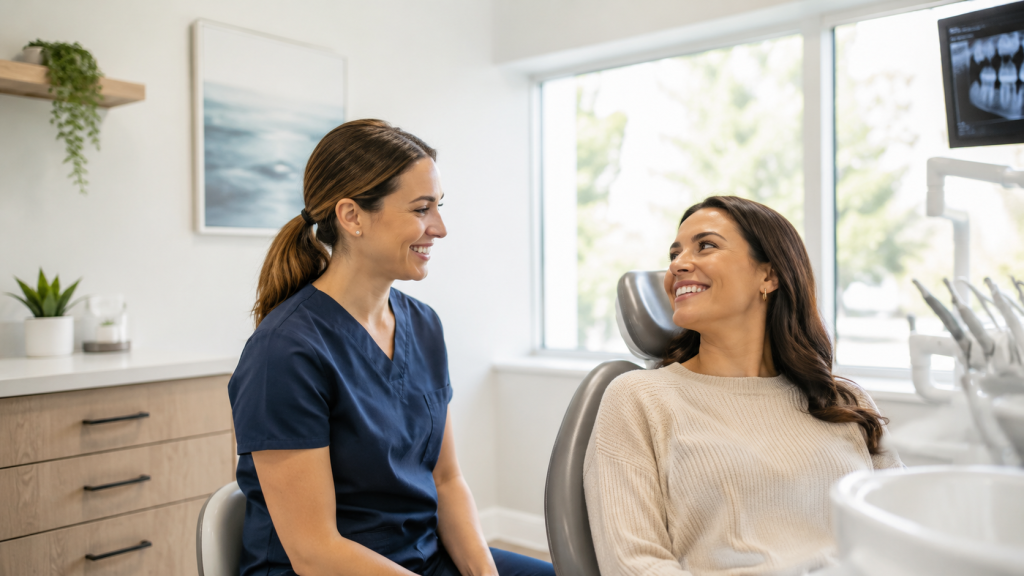
Finding the right dental home can make routine care feel easier, more comfortable, and more convenient for the whole family. For many households, choosing a family dentist in Pleasure Ridge Park, Louisville, KY means looking for a team that can care for children, teens, adults, and older adults in one familiar place.
A good family dental office does more than clean teeth. It helps patients prevent problems, understand treatment options, feel comfortable during visits, and build healthy habits that last. Whether someone is scheduling a child’s first dental appointment, catching up after a few years away, or looking for a more convenient office for the entire household, the right dentist can make a meaningful difference.
This article is for general educational purposes only and is not a substitute for personalized dental advice. Anyone with tooth pain, swelling, bleeding, injury, or concerns about treatment should consult a licensed dental professional for an exam and individualized recommendations.
What Is a Family Dentist?
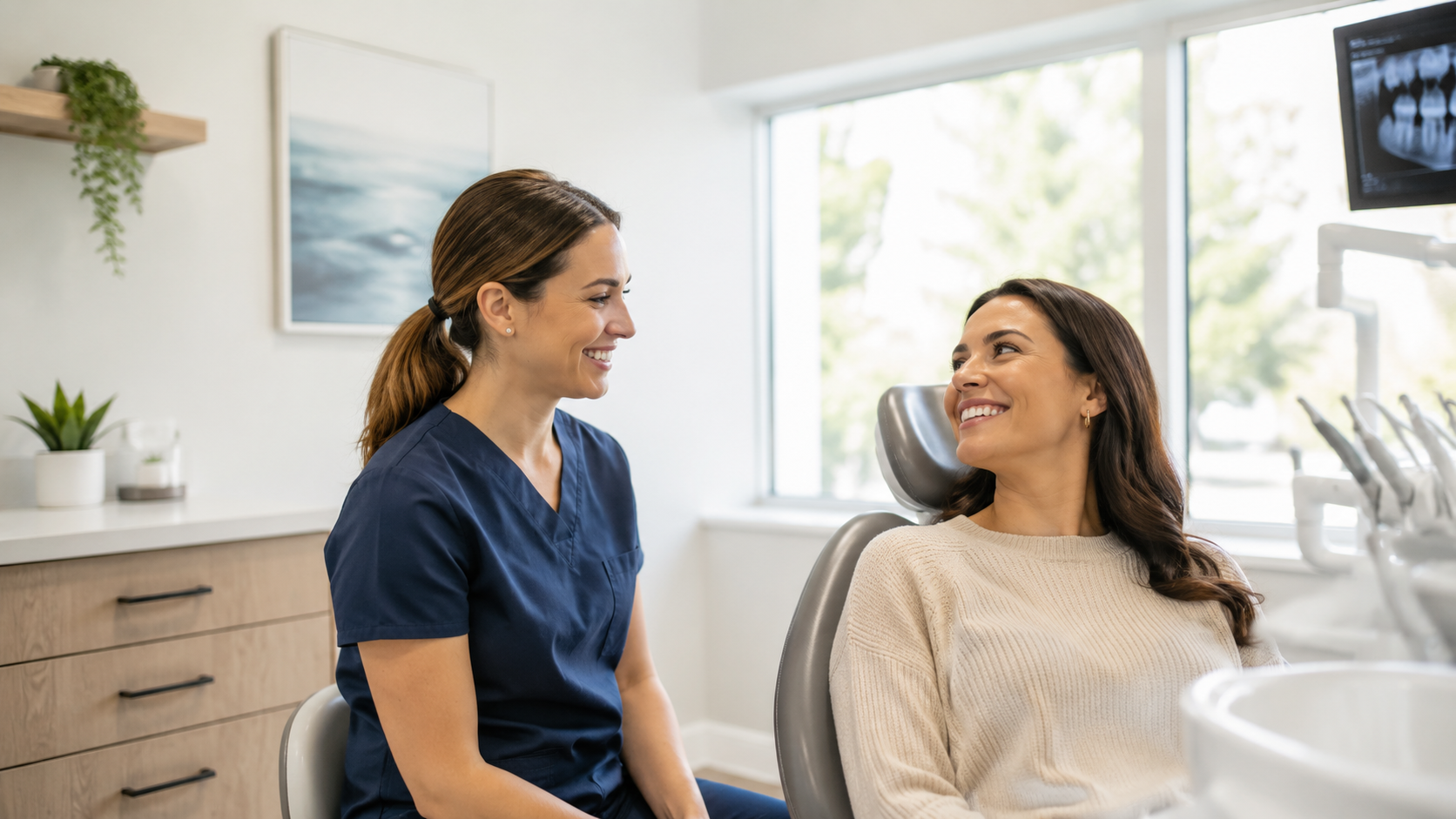
A family dentist provides dental care for patients across many ages and stages of life. Instead of visiting separate offices for children, adults, and seniors, families can often receive routine preventive care and many common treatments in one location.
This can be especially helpful for busy households. Parents can schedule multiple appointments together, children can become familiar with the same office over time, and adults can maintain consistent care without searching for a new provider as needs change.
Family dentistry usually focuses on prevention, early detection, patient education, and long-term oral health. The goal is to help every patient understand what is happening in their mouth and what steps may help protect their smile.
Why Choosing a Local Dental Home Matters
Convenience is one of the biggest reasons people search for a nearby dentist. When a dental office is close to home, school, or work, it is often easier to keep regular appointments. That matters because routine dental visits can help catch concerns before they become more painful, more complex, or more costly.
For patients in and around Pleasure Ridge Park, a local dental home can also create a sense of familiarity. Patients see the same friendly faces, the dental team learns their preferences, and care can feel less rushed or intimidating.
A nearby dentist may also be easier to reach when something unexpected happens, such as a cracked tooth, lost filling, or sudden discomfort. While not every situation can be handled immediately, having an established relationship with a dental office may make it easier to know what step to take next.
Signs of a Good Family Dental Practice
Every patient has different priorities, but there are several qualities that often make a dental office a strong fit for families.
Clear Communication
Dental visits should not feel confusing. A helpful dental team explains findings in plain language, reviews options, and gives patients time to ask questions. Patients should understand why treatment is recommended, what the appointment may involve, and how to care for their teeth afterward.
A Comfortable, Respectful Environment
Many people feel nervous about dental care. A reassuring family dentist understands that anxiety is common and takes steps to help patients feel at ease. This may include gentle explanations, a calm pace, comfort-focused techniques, and a supportive chairside manner.
Care for Multiple Ages
Families benefit from a practice that understands different needs at different ages. A child may need help learning how to brush well, a teen may need cavity prevention during orthodontic years, an adult may need gum health monitoring, and an older adult may need support for restorations, dry mouth, or tooth replacement options.
Emphasis on Prevention
Preventive dentistry is the foundation of long-term oral health. Regular exams, cleanings, dental X-rays when appropriate, fluoride recommendations, sealants for certain patients, and personalized home-care tips all help reduce the risk of future problems.
Modern, Practical Treatment Options
Patients appreciate a dental office that keeps up with modern care while still explaining options in a practical, easy-to-understand way. The best choice is not always the most complex treatment. A good dentist helps patients weigh comfort, durability, appearance, timing, and budget before making a decision.
Common Services Families Often Need
While every dental office offers its own mix of services, many family dentists provide a range of care designed to support everyday oral health.
Routine Dental Exams and Cleanings
Regular checkups allow the dentist and hygiene team to evaluate teeth, gums, bite, existing dental work, and overall oral health. Cleanings remove plaque and tartar that brushing and flossing cannot fully remove at home.
These visits are also a chance to talk about sensitivity, bleeding gums, bad breath, teeth grinding, dry mouth, or changes in the smile. Small concerns are often easier to address when they are found early.
Cavity Detection and Tooth-Colored Fillings
Cavities can start quietly. A patient may not feel pain until decay becomes more advanced. During an exam, the dentist can check for early signs of decay and recommend appropriate next steps.
When a filling is needed, many patients prefer tooth-colored materials that blend with the natural smile. The right option depends on the size and location of the cavity, the patient’s bite, and the dentist’s clinical judgment.
Gum Health Support
Healthy gums are essential for a healthy mouth. Gum disease can begin with redness, swelling, bleeding while brushing, or persistent bad breath. Some patients do not notice symptoms right away, which is why routine evaluations are important.
A family dental team can help patients understand gum measurements, cleaning recommendations, and daily habits that support healthier gums.
Dental Crowns and Restorative Care
Teeth that are cracked, weakened, heavily filled, or significantly worn may need more support than a filling can provide. A dental crown may be recommended to help protect and restore the shape and function of a tooth.
Restorative care can also include replacing missing teeth or repairing damaged dental work. The best plan depends on the patient’s oral health, goals, and exam findings.
Children’s Dental Visits
Children do best when dental visits feel positive and predictable. A family dental office can help young patients get used to the sights and sounds of dental care, learn brushing techniques, and understand why taking care of teeth matters.
Parents can also ask about thumb sucking, pacifier habits, fluoride, sealants, sports mouthguards, and nutrition choices that may affect tooth health.
Cosmetic Smile Concerns
Some patients want to improve the appearance of their smile. Common questions involve staining, chipped teeth, uneven edges, gaps, or older dental work that no longer looks natural. A family dentist can discuss cosmetic options that may fit the patient’s needs and oral health.
Cosmetic recommendations should always begin with a healthy foundation. Gum disease, decay, or bite issues may need attention before appearance-focused treatment.
How Preventive Care Helps the Whole Family
Preventive dental care is not just about avoiding cavities. It supports overall comfort, confidence, and function. When teeth and gums stay healthy, patients can chew more comfortably, speak more clearly, and smile with greater confidence.
For children, prevention helps protect developing teeth and builds lifelong habits. For adults, it helps maintain natural teeth and reduce the chances of emergencies. For seniors, it can support nutrition, comfort, and quality of life.
At home, prevention starts with the basics: brushing twice a day with fluoride toothpaste, cleaning between teeth daily, drinking water, limiting frequent sugary snacks and drinks, and wearing a mouthguard if recommended. The dental team can personalize these suggestions based on each patient’s risk factors.
What to Expect at a First Visit
A first visit is a chance for the patient and dental team to get to know each other. While each office has its own process, a new patient appointment often includes a review of medical and dental history, discussion of concerns, a comprehensive exam, and dental X-rays if needed.
The dentist may check the teeth, gums, jaw joints, bite, and existing restorations. The team may also screen for signs of oral health conditions that require monitoring or further evaluation.
Patients should feel comfortable sharing past dental experiences, anxiety, health conditions, medications, and goals for their smile. This information helps the dentist recommend care that fits the patient’s needs.
Questions to Ask When Choosing a Family Dentist
Patients searching for a family dentist may find it helpful to ask a few practical questions before scheduling:
- Does the office see both children and adults?
- What preventive services are recommended for different ages?
- How does the team help patients who feel nervous?
- What should patients do if they have a dental emergency?
- Does the office explain treatment options and costs clearly before care begins?
- Are appointment times convenient for the family’s schedule?
- How does the office handle dental insurance or payment questions?
The answers can help families choose an office that feels organized, transparent, and supportive.
Making Dental Visits Easier for Children
Children often take cues from adults. When parents speak about dental visits in a calm, positive way, children are more likely to feel comfortable. Simple phrases such as “The dentist will count your teeth” or “The hygienist will help make your smile clean” can be more helpful than detailed explanations that may sound scary.
Parents can also bring a list of questions, schedule appointments at a time of day when the child is usually rested, and praise cooperation after the visit. Over time, positive experiences can help children view dental care as a normal part of staying healthy.
When to Call a Dentist Sooner
Routine checkups are important, but some symptoms should not wait for the next scheduled visit. Patients should contact a dentist if they notice tooth pain, swelling, a broken tooth, a knocked-out tooth, bleeding that does not stop, a lost crown or filling, or signs of infection such as facial swelling or fever.
Not every dental concern is an emergency, but a dental professional can help determine the appropriate next step. Prompt attention may help reduce discomfort and prevent complications.
Why Pleasure Ridge Park Dentistry May Be a Good Fit
Pleasure Ridge Park Dentistry serves patients looking for approachable, patient-centered dental care in the community. For families, having a trusted dental office nearby can make it easier to stay consistent with cleanings, ask questions, and address concerns as they come up.
The right dental team should make patients feel heard, respected, and informed. Whether someone is scheduling routine preventive care or exploring treatment options, a supportive office can help make each step feel more manageable.
FAQ About Choosing a Family Dentist
How often should a family visit the dentist?
Many patients benefit from dental checkups and cleanings about every six months, but the right schedule can vary. Patients with gum disease, frequent cavities, certain medical conditions, or orthodontic appliances may need more frequent visits. A dentist can recommend a schedule based on individual needs.
At what age should a child start seeing the dentist?
Children should generally see a dentist when the first tooth appears or by their first birthday. Early visits help parents learn how to care for baby teeth and allow the child to become comfortable in a dental setting.
Can one dentist treat both kids and adults?
Yes, many family dentists care for both children and adults. This can be convenient for households that want one dental home for routine care, prevention, and common dental concerns.
What if someone feels anxious about dental treatment?
Dental anxiety is very common. Patients should tell the dental team about their concerns before or during the appointment. A caring office can explain each step, take breaks when appropriate, and discuss comfort options that may be available.
Is it better to wait until a tooth hurts before seeing a dentist?
No. Many dental problems are easier to manage when they are found early, before pain begins. Regular exams can help identify cavities, gum issues, cracks, or worn dental work before they become more serious.
How can patients choose the best family dentist in Pleasure Ridge Park?
Patients should look for clear communication, a welcoming environment, preventive care, convenient scheduling, and a team that takes time to answer questions. Visiting the office or calling with questions can help determine whether it feels like the right fit.
A Healthier Smile Starts With a Comfortable Dental Home
Choosing a family dentist is about more than finding a place for cleanings. It is about building a relationship with a dental team that understands the needs of every age group and helps patients feel confident about their care.
For anyone searching for a family dentist in Pleasure Ridge Park, Louisville, KY, Pleasure Ridge Park Dentistry welcomes questions and encourages patients to take the next step toward a healthier smile. Scheduling a visit is a simple way to meet the team, discuss concerns, and create a plan that supports long-term oral health.